
Auto Glass Planning Guide
Rear Window Replacement: Cost Factors, Damage, and DIY Questions
A rear-window problem needs a back-glass assessment, not an automatic quote for a front windshield. Compare damage concerns, cost factors, and DIY planning with Ford Explorer and BMW 3 Series examples. Start with the actual opening and configuration rather than assuming one glass part or removal method fits every vehicle.
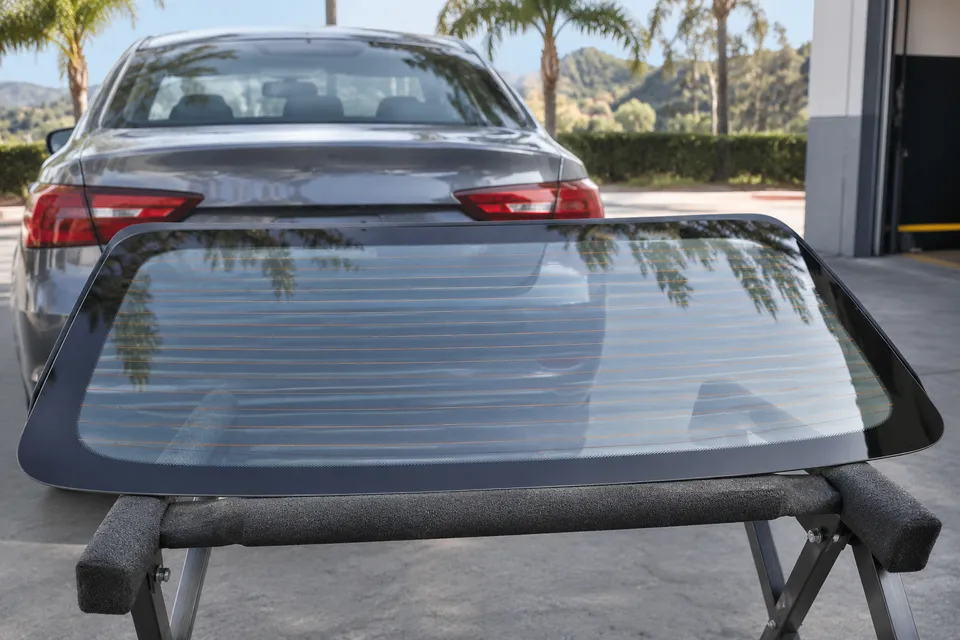
Identify the damaged opening before comparing prices
Say whether the damage is in the main rear window, a movable hatch panel, or a small side quarter window. Provide the actual year, body style, and a photograph showing the opening. The terms rear window, back glass, and rear windshield may refer to the same enquiry, but they do not identify a compatible part.
Record visible equipment such as defroster lines, an antenna, wiper fittings, tint, connectors, or attached trim. These are details for confirmation, not a checklist proving that every feature is present or included in a quoted part.
Ford Explorer rear-window cost factors
Ask for an Explorer quote using its actual year and configuration. Rear glass can vary across years and configurations; a model name is not enough. Confirm the exact glass and whether the proposed work includes required moldings, connectors, trim, labor, and cleanup.
Compare the complete out-of-pocket total, applicable tax, and any separately quoted work. Ask which glass option is supplied and what happens if an inspection reveals an additional concern. An advertised starting price does not establish your compatible part, current stock, or complete total.
Damage and prevention: what to record
Tell the service team whether damage followed an impact, a break-in, use of the hatch, or an event you cannot identify. Describe loose fragments and any concern about the surrounding bodywork. Do not assume that a rear-glass mark is eligible for the same resin repair as a windshield chip.
Do not rely on a security film, guard, or an intact-looking surface as a guarantee against further damage. Avoid handling broken glass or testing the hatch to reproduce a failure for a photograph. Ask about a suitable inspection and safe transport when needed.
BMW 3 Series and other DIY rear-glass questions
A BMW 3 Series name alone does not identify the body style, attachment method, or required installation procedure. Generic advice to tap glass out, apply a continuous bead, and drive away leaves important vehicle and material requirements unanswered. This planning guide is not a substitute for the applicable procedure and qualified assessment.
Before deciding to attempt the work yourself, establish the exact part, instructions, tools, surrounding condition, electrical connections, and completion checks. If those requirements are not known, stop at planning and seek appropriate professional help rather than improvising.
Confirm completion, not just installation time
Ask how glass operation, any affected equipment, seals, and cleanup will be checked for the work being approved. Confirm the service terms and instructions before collecting or moving the vehicle.
Where the installation uses a bonding adhesive, the minimum drive-away time depends on that material and the conditions. The installer should give the applicable time; this guide does not replace it with a universal wait or claim every rear-window design uses the same method.
Sources and further reading
These resources explain their stated scope. They do not certify our business, diagnose your vehicle, or replace the applicable manufacturer and product instructions.
Related planning guides
Ask about the work your vehicle needs
Read about back glass replacement, confirm the service area, or use the existing quote page. A request is not a booking or confirmation of part availability.